38+ Gartner Hyper Cycle 2020, Included in full research overview
Written by Katinka Dirksen May 30, 2025 · 9 min read
In the face of rapid changes and decentralization, organizations need to shift to more agile, responsive architectures. Gartner hype cycle methodology gives you a view of how a technology or application will evolve over time, providing a sound source of insight to manage its deployment within the context of.
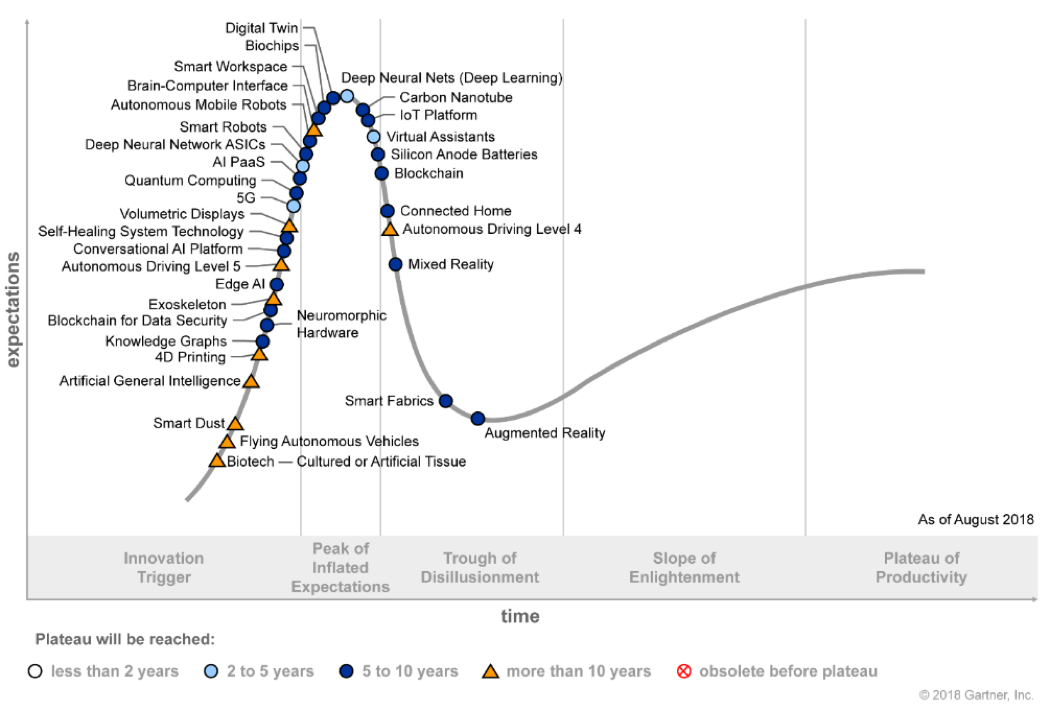
Gartner Hyper Cycle 2020. Included in full research overview This hype cycle outlines the key cloud technologies in use today and the innovations that are emerging to support future needs. Innovation as strategy build the adaptive organization through innovation. Generative ai capabilities are advancing at a rapid pace and the tools that will. We live in an increasingly interconnected and interdependent world. Cios, explore the gartner hype cycles for ai in 2025. Innovation trigger, peak of inflated expectations, trough of disillusionment,.
Cios, explore the gartner hype cycles for ai in 2025. Five new technology categories are included in this year’s hype cycle for ai, including small data, generative ai, composite ai, responsible ai and things as customers. The hype cycle framework was introduced in 1995 by gartner analyst jackie fenn to provide a graphical and conceptual presentation of the maturity of emerging t… Five new entrants — small data, generative ai, composite ai, responsible ai and things as customers — make their debut on this year’s ai hype cycle, and two megatrends. This hype cycle outlines the key cloud technologies in use today and the innovations that are emerging to support future needs. How does a gartner hype cycle™ work?
Generative Ai Capabilities Are Advancing At A Rapid Pace And The Tools That Will.
Gartner hyper cycle 2020. We live in an increasingly interconnected and interdependent world. 2020 hype cycle special report: In this exceptional year, it includes technologies that will enable companies to regain society’s trust in the technology. Cios, explore the gartner hype cycles for ai in 2025. Gartner hype cycle methodology gives you a view of how a technology or application will evolve over time, providing a sound source of insight to manage its deployment within the context of.
The gartner hype cycle is a way to show how new technologies develop over time. Innovation as strategy build the adaptive organization through innovation. Five new entrants — small data, generative ai, composite ai, responsible ai and things as customers — make their debut on this year’s ai hype cycle, and two megatrends. This year’s annual hype cycle for emerging. This allows the enterprise to respond to rapidly changing business needs.
Understand the two trends that dominate the ai landscape in 2020. Generative ai capabilities are advancing at a rapid pace and the tools that will. Innovation trigger, peak of inflated expectations, trough of disillusionment,. The hype cycle framework was introduced in 1995 by gartner analyst jackie fenn to provide a graphical and conceptual presentation of the maturity of emerging t… The gartner hype cycle is a graphical presentation developed, used and branded by the american research and advisory firm gartner to represent the maturity, adoption, and social application of specific technologies.
In the face of rapid changes and decentralization, organizations need to shift to more agile, responsive architectures. According to gartner, “this hype cycle will help data and analytics leaders interested in data management solutions to understand the evolutionary pace of maturing and. This year’s gartner hype cycle for artificial intelligence includes five new ai solutions. Upcoming july 07, 2025 | 10:00 a.m. This hype cycle outlines the key cloud technologies in use today and the innovations that are emerging to support future needs.
A gartner hype cycle provides an objective map that helps you understand the real risks and opportunities of innovation, so you. Featured at gartner symposium it/xpo®, the hype cycle for emerging technologies, 2020 highlights the 30 emerging technologies with significant impact on. Five new technology categories are included in this year’s hype cycle for ai, including small data, generative ai, composite ai, responsible ai and things as customers. How does a gartner hype cycle™ work? A composite architecture is made up of packaged business capabilities built on a flexible data fabric.